
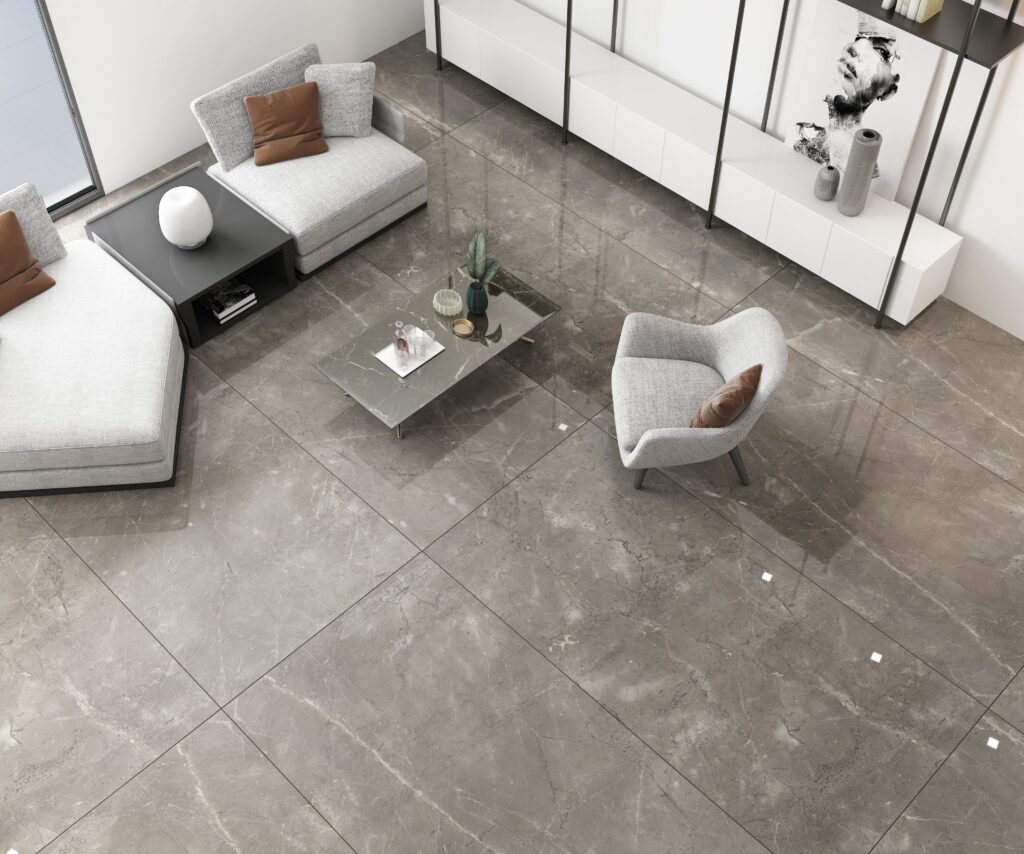
Choosing tiles for your home or commercial space is one of the most impactful decisions you’ll make during a renovation or new build. The right tiles can transform a dull room into a stunning masterpiece, while the wrong choice can lead to costly replacements and endless frustration. If you’ve been wondering how to choose the tiles that perfectly match your needs, budget, and style you’re in the right place.
In this comprehensive guide by Rocagres Surfaces, we walk you through everything you need to know about how to choose the right tiles for floors, walls, kitchens, bathrooms, and outdoor areas. From material types and sizes to finishes and durability ratings, this blog covers it all.
Why Choosing the Right Tiles Matters
Tiles are not just a decorative element they serve a functional purpose too. Whether you are tiling a cozy bathroom or an expansive commercial lobby, the tiles you select directly impact the space’s longevity, safety, and visual appeal. A well-chosen tile offers:
- Durability that lasts for decades without cracking or fading
- Low maintenance compared to hardwood, carpet, or natural stone slabs
- Moisture resistance, making them ideal for wet areas like bathrooms and kitchens
- Aesthetic versatility to match any interior design theme modern, rustic, minimalist, or traditional
- Improved property value when installed thoughtfully across key areas
- Hygienic surfaces that don’t harbor bacteria, allergens, or dust mites a major advantage for families with children or allergy sufferers
Making an informed decision on how to choose the tiles for your space saves you time, money, and regret in the long run.
Step 1: Understand the Different Types of Tiles
Before you start shopping, it’s essential to know what types of tiles are available in the market. Each type has its own strengths and ideal use cases.
Ceramic Tiles
Ceramic tiles are made from natural clay, fired at high temperatures. They are lightweight, affordable, and available in a wide variety of colors and patterns. Best suited for walls and light-traffic floor areas such as guest bedrooms and powder rooms.
Porcelain Tiles
Porcelain tiles are denser and more durable than ceramic tiles due to their lower water absorption rate (typically below 0.5%). They’re excellent for high-traffic areas, outdoor spaces, and commercial applications. At Rocagres Surfaces, porcelain tiles are our specialty built to last and designed to impress.
Vitrified Tiles
Vitrified tiles are created by fusing silica and clay at extremely high temperatures, giving them a glass-like finish. They are stain-resistant, scratch-resistant, and perfect for living rooms, hallways, and office lobbies.
Step 2: Choose the Right Tile for Each Room
One of the most common mistakes homeowners make is using the same tile everywhere. Understanding how to choose the tiles for different rooms is crucial for both aesthetics and safety.
| Room / Area | Best Tile Type | Recommended Finish | Key Property |
|---|---|---|---|
| Living Room | Porcelain / Vitrified | Matte or Polished | Durability, aesthetic appeal |
| Kitchen Floor | Porcelain / Ceramic | Matte / Anti-Skid | Stain resistance, easy cleaning |
| Kitchen Backsplash | Ceramic / Mosaic | Glossy | Heat resistance, easy to wipe |
| Bathroom Floor | Porcelain | Anti-Skid / Matte | Water resistance, slip resistance |
| Bathroom Walls | Ceramic / Glazed Porcelain | Glossy / Satin | Moisture resistance |
| Bedroom | Vitrified / Wood-Look Porcelain | Matte | Comfort, warmth |
| Outdoor / Patio | Porcelain (20mm thick) | Textured / Anti-Skid | Frost resistance, load-bearing |
| Commercial Spaces | Full-Body Porcelain | Matte | Heavy-duty, low maintenance |
| Balcony | Porcelain / Anti-Skid Ceramic | Textured | Weather resistance |
This table should serve as your quick reference when deciding how to choose the right tiles for any area in your home or project.
Step 3: Pick the Right Tile Size
Tile size dramatically affects how a room looks and feels. Choosing the wrong size can make a large room feel cluttered or a small room feel cramped. Here’s a quick guide:
- Large-format tiles (60×120 cm, 80×80 cm): Create a seamless, spacious look with fewer grout lines. Ideal for open-plan living rooms, modern bathrooms, and commercial lobbies.
- Medium tiles (30×60 cm, 45×45 cm): The most versatile option. Work well in kitchens, bedrooms, and mid-sized bathrooms.
- Small tiles (10×10 cm, 15×15 cm): Best for accent areas, backsplashes, and mosaic patterns. They add character to compact spaces.
- Plank-shaped tiles (20×120 cm, 15×90 cm): Wood-look porcelain planks that replicate hardwood flooring perfect for bedrooms and living areas where you want warmth without the maintenance.
Pro Tip: For smaller rooms, use larger tiles to minimize grout lines and create an illusion of space. For larger rooms, medium or large tiles maintain visual balance without overwhelming the design.
Step 4: Understand Tile Finishes
The finish of a tile determines its look, feel, and safety. Selecting the right finish is just as important as choosing the right material. Here’s what to know:
- Matte Finish: Non-reflective, excellent grip, ideal for floors in bathrooms, kitchens, and outdoor areas. Hides dirt and water spots well.
- Glossy / Polished Finish: Reflective and elegant. Best for walls and low-traffic floors. Can be slippery when wet, so avoid in bathrooms and entryways.
- Satin Finish: A middle ground between matte and glossy subtle sheen without the slipperiness. Great for bedroom and living room walls.
- Textured / Anti-Skid Finish: Features a rough surface for maximum grip. Essential for pool decks, outdoor patios, and shower floors.
- Lappato (Semi-Polished) Finish: Partially polished for a soft glow with better grip than full-polish tiles. Increasingly popular in modern residential and luxury hospitality projects.
Step 5: Check the Technical Specifications
When learning how to choose the tiles that will truly perform, technical specs matter just as much as appearance. Don’t be swayed by looks alone always verify these key specifications before purchasing:
- PEI Rating (Porcelain Enamel Institute): Rates abrasion resistance on a scale of 1–5. PEI 1 is for walls only; PEI 4–5 is suitable for high-traffic commercial floors.
- Water Absorption Rate: Lower is better for wet areas. Porcelain tiles typically have less than 0.5% absorption making them superior for bathrooms and exteriors.
- Slip Resistance (R-Rating): R9 is standard indoor; R11–R13 is recommended for wet and outdoor areas.
- Breaking Strength: Higher values indicate a more durable tile that can handle heavy loads, furniture, and high foot traffic.
- Shade Variation (V-Rating): V1 means uniform color; V4 means significant variation. Choose based on whether you want consistency or a natural, varied look.
Step 6: Think About Color and Design
Color sets the mood of any room and plays a significant role in how a space is perceived. The right color palette can make rooms feel larger, cozier, or more dramatic. Here are some guidelines:
- Light colors (white, beige, cream): Make rooms appear larger and brighter. Perfect for small bathrooms, kitchens, and apartments with limited natural light.
- Dark colors (charcoal, black, deep brown): Add drama and sophistication. Best for spacious living rooms, accent walls, and commercial spaces with ample lighting.
- Neutral tones (grey, taupe, soft brown): Versatile and timeless. They pair well with any furniture and décor style, making future redesigns easier.
- Bold patterns and prints: Geometric, floral, or Moroccan-inspired patterns work beautifully as feature walls or floor accents. Use sparingly to avoid visual overload.
At Rocagres Surfaces, we offer tiles in marble-look, wood-look, concrete-look, and stone-look designs giving you the beauty of natural materials with the performance of porcelain.
Step 7: Set a Realistic Budget
Tiles come in a wide price range, and it’s important to allocate your budget wisely across different areas of your project. Here’s how to budget effectively:
- Allocate 60–70% of your tile budget to floor tiles, as they need higher durability and cover more area
- Spend 20–25% on wall tiles, where aesthetics matter more than heavy-duty performance
- Reserve 10–15% for accent tiles, borders, and trims that add finishing touches
- Always order 10–15% extra to account for cuts, breakage, and future repairs
Remember: investing in quality tiles upfront reduces replacement and maintenance costs over the years. Cheap tiles may save money initially but often crack, stain, or fade much faster leading to expensive re-tiling within a few years.
Common Mistakes to Avoid When Choosing Tiles
Even with the best intentions, some mistakes are surprisingly common. Knowing what to avoid is just as important as knowing what to look for:
- Choosing tiles based on looks alone: always check durability, slip resistance, and suitability for the specific area.
- Ignoring grout color: the wrong grout can ruin even the most beautiful tile. Match or contrast intentionally for a polished result.
- Not testing samples in your space: tiles look different under showroom lights vs. your home lighting. Always take samples home and view them at different times of the day.
- Using indoor tiles outdoors: outdoor tiles need freeze-thaw resistance and anti-skid properties. Indoor tiles will crack and become hazardous in exterior environments.
- Skipping professional installation: poor installation leads to uneven surfaces, cracked tiles, and water seepage. Always hire experienced tilers for a lasting finish.
Frequently Asked Questions For Tiles
-
How do I choose tiles for a small bathroom?
Use large-format, light-colored porcelain tiles with a matte or anti-skid finish. Fewer grout lines make the space appear bigger. Consider glossy wall tiles to reflect light and add depth.
-
What is the best tile for a kitchen floor?
Porcelain tiles with a matte or anti-skid finish are ideal. They resist stains, heat, and moisture. Choose PEI 3 or higher for durability against daily foot traffic and spills.
-
Can I use the same tile on floors and walls?
Yes, but floor tiles must have adequate slip resistance and durability. A floor-rated tile can go on walls, but a wall-only tile should never be used on floors as it lacks the necessary strength and grip.
-
How do I know if a tile is good quality?
Check for a uniform surface, consistent thickness, low water absorption rate, and a reputable PEI or R-rating. Buy from trusted brands like Rocagres Surfaces that provide technical data sheets for every product.
-
What’s the difference between ceramic and porcelain tiles?
Porcelain tiles are fired at higher temperatures and have a water absorption rate below 0.5%, making them denser, harder, and more durable than ceramic tiles. Porcelain is better for high-traffic and outdoor areas, while ceramic is more budget-friendly for walls and light-use spaces.
-
How many extra tiles should I order?
Order 10–15% more than your measured area to account for cuts, breakage during installation, and future repairs or replacements. For complex patterns or diagonal layouts, consider ordering up to 20% extra.
Conclusion
Knowing how to choose the right tiles is about balancing aesthetics, functionality, and budget. Start by understanding the type of tile that suits each room, then narrow down your options based on size, finish, color, and technical specifications. Avoid common pitfalls like ignoring slip ratings or skipping sample testing, and always invest in professional installation for a flawless result.
At Rocagres Surfaces, we are committed to helping you find the perfect porcelain and ceramic tiles for every project residential or commercial. Our premium-quality tiles combine cutting-edge design with lasting performance, ensuring your spaces look stunning for years to come.
Ready to transform your space? Explore our collection at Rocagres Surfaces or reach out to our team for personalized guidance on how to choose the tiles that are perfect for your vision.
Disclaimer
The information provided in this blog is for general guidance purposes only. Tile selection should be based on your specific project requirements, local climate conditions, and professional advice from architects or interior designers.